
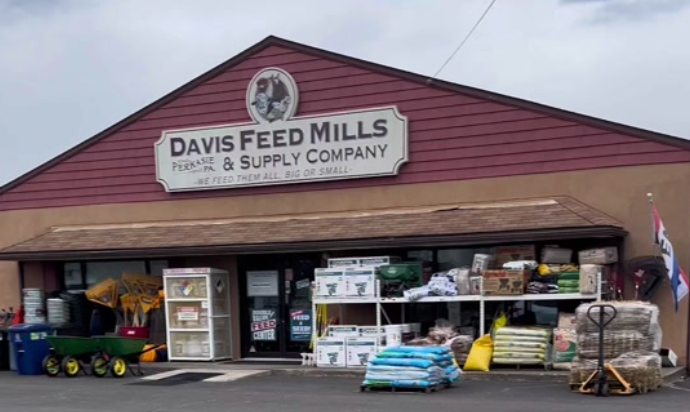
A location scout finds the perfect block. The brick is right, the light is right, the sightline down the street is exactly what the director wanted. There is only one problem: the sign over the door says the wrong thing, and the script needs a diner, a pharmacy, or a 1980s record shop. That gap between the real building and the fictional world is where our team comes in.
Atlanta has become one of the busiest production markets in the country, and a huge amount of that work happens on real streets rather than on a soundstage. When a crew takes over a block in Grant Park, Cabbagetown, or along a strip in Decatur, the storefronts have to read as the story, not as the actual tenants. Redressing a storefront with printed graphics is how you get there without touching the building underneath.
Why Print Instead of Building a Set
Building a facade from scratch is expensive and slow. Redressing an existing storefront with large-format print is faster, reversible, and cheaper, and it lets a production shoot in a location the audience will believe because it is real. The camera sees a fully branded business; the landlord gets their space back exactly as it was.
The key word is reversible. Everything we produce for a redress is designed to go up for the shoot and come down clean afterward. That usually means printing on materials that adhere firmly enough to survive a few days of weather and foot traffic, but release without pulling paint, etching glass, or leaving adhesive behind. Getting that balance right is the whole job, and it is why productions lean on shops that understand both the print side and the removal side.
The Pieces of a Storefront Redress
A convincing fictional business is rarely one sign. It is a small kit of coordinated graphics, and each piece has its own material and mounting logic.
The primary sign over the door carries the fake business name. Depending on the building, we might print it on a rigid panel that mounts over the existing sign band, or produce it as a large vinyl graphic applied directly to a smooth surface. Either way it has to hang straight and read cleanly from the distance the camera is shooting.
Window graphics do most of the quiet work. Hours of operation, painted-on gold-leaf-style lettering, sale posters, a menu taped inside the glass, a faded health inspection notice near the door. These small printed details are what make a set feel lived in. We can print them to look brand new or age them so a shop reads as decades old.
Then there are the supporting elements down the block. If the hero storefront is a bakery, the neighbors might need generic-but-believable signage so nothing on screen accidentally advertises a real, clearable business. Productions have to clear every visible logo and trademark, so blanking out or replacing real branding on adjacent windows and awnings is a routine part of the request.
Designing for the Camera, Not the Sidewalk
A sign built for a real business is designed to be legible to a pedestrian standing ten feet away. A sign built for film is designed for a specific lens, a specific distance, and a specific frame. Those are not the same problem.
Color matters more than people expect. Bright saturated reds can bloom under film lighting, and pure whites can blow out. When a production gives us reference or a color target, we print to it so the sign behaves on camera the way the DP expects. Finish matters too. A glossy laminate can throw a hot reflection straight into the lens, which is why matte and satin finishes are so common on set graphics. We talk through finish before we print, because reprinting a hero sign the night before a shoot is nobody's idea of a good time.
Scale is the third piece. Backgrounds soften, but hero signage in the foreground gets scrutinized frame by frame. We build the primary graphics at full resolution so the letterforms hold up even when the camera pushes in.
Working on a Production Timeline
Location work moves fast, and dates slide. A block that was locked for Tuesday becomes Thursday because of weather or a permit. Our job is to be ready with graphics that install quickly and come down just as quickly, because the production almost never controls the location for long.
We coordinate with the art department and the set dressers rather than the business owner, and we plan the install around the shooting schedule. On a tight turn, that can mean a night install so the block is camera-ready at call time. When the unit wraps, the same graphics peel off and the real storefront reopens as if nothing happened.
Practical Takeaways
If you are an art director or a production designer prepping a location shoot around Atlanta, a few things make a storefront redress go smoothly. Get us the fake business name and any logo artwork early, even in rough form, so we can lock the design before materials are committed. Tell us the surfaces we will be mounting to, because glass, painted wood, brick, and metal each want a different material. Share the shooting distance and whether the sign is hero or background, so we can build to the right resolution and finish. And flag the removal deadline up front, so we choose adhesives that release clean on the day you hand the location back.
A redress lives or dies on details the audience never consciously notices, and it has to disappear the moment the trucks pull out. Our team specializes in the large-format printing side of that work, and we are glad to talk through a location before your crew ever sets up on the sidewalk.
Ready to Get Started?
Contact Extreme Color today for vehicle wraps, signs, banners, and more.
Get a Free Quote