
Changing Your Logo Is the Easy Part. Changing Everything It Touches Isn't.
A rebrand usually starts in a design file. A new logo, a refreshed color palette, maybe a new name. That part happens on a screen and feels clean and finished. Then reality shows up, because your old brand is printed on dozens of physical things scattered across your Atlanta business, and every one of them now says the wrong thing.
We help companies handle exactly that gap. The strategy and the logo may come from you or your marketing team, but the rollout, getting the new identity onto every sign, vehicle, window, and printed piece, is a production problem. And if it's done piecemeal, your brand ends up looking half-changed for months, which is worse than not changing at all.
Take Inventory Before You Print Anything
The first step in any rebrand rollout isn't printing, it's counting. Before we produce a single new item, we help you walk through everywhere the old brand physically lives. It's almost always more places than a business remembers.
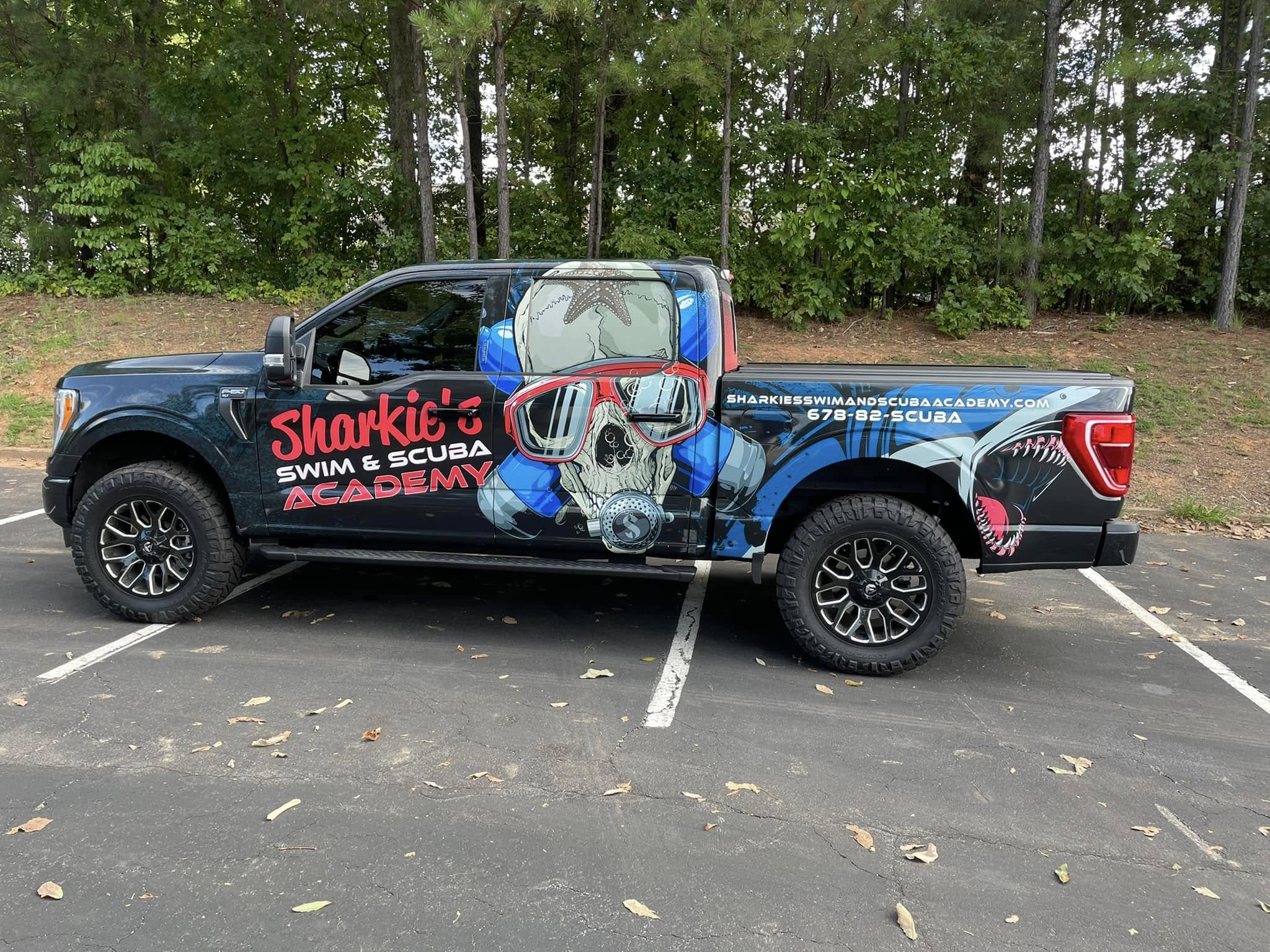
Think about the exterior signage on the building and the monument sign by the road. The vehicle wraps and decals on every truck and van. The window lettering and door hours, the interior wayfinding and department signs, the banners in storage you pull out for events. Then the printed collateral, the retractable banner stands, the trade show displays, the rack cards and posters.
Missing an item is what causes the embarrassing moments, the one truck still wearing the old logo, the storage-room banner that shows up at an event six months later. A written inventory turns a vague "update our branding" into a concrete list we can actually produce against.
Sequencing the Rollout So You Don't Look Half-Changed
Once you know everything that needs to change, the question is order. Some businesses flip everything at once for a coordinated launch, a new sign, wrapped trucks, and refreshed windows all revealed together on a single day tied to an announcement. That makes the biggest splash but takes the most planning.
Others phase it, and that's completely valid when budget or timing calls for it. When we phase a rollout, we sequence by visibility. The things the most people see, the storefront sign, the vehicles on the road, the customer-facing windows, change first. The back-office and low-traffic items follow.
The principle is to avoid the awkward in-between where old and new brand sit side by side on the same building or the same block. A customer who sees a new sign but an old-logo truck in the same parking lot notices the mismatch, even if they couldn't tell you what felt off. Smart sequencing keeps the transition looking deliberate instead of unfinished.
Consistency Is Where Rebrands Live or Die
A new logo is only as strong as its weakest reproduction. If the brand blue looks right on the sign but drifts purple on the vehicle wrap and washes out on the banner, customers register inconsistency even when they can't name it. Producing every piece to match is the entire point of a rebrand.
Because we can produce signs, wraps, window graphics, banners, and printed collateral together, we manage color across all of it as one job rather than a scattered series of orders from different vendors. That coordination is how a rebrand ends up looking like one confident identity instead of a dozen near-misses.
A brand style guide is the anchor here. If your new identity comes with defined colors, fonts, and logo spacing, it gives us a fixed target to match every item against. If it doesn't yet, that's worth sorting out before the rollout, because the guide is what keeps the brand consistent long after the first batch is printed and you're adding a new truck or banner next year.
Don't Waste the Old Materials or the Moment
Rebrands generate a pile of now-obsolete signage, and there are smarter ways to handle it than a dumpster. Removable wraps and vinyl come off cleanly so a vehicle can be rewrapped without damaging the paint underneath. Some rigid signs can be resurfaced with new graphics rather than rebuilt from scratch, which stretches the budget.
The rebrand itself is also a marketing moment worth using. A new look gives you a legitimate reason to get in front of customers, a "we've refreshed" announcement, a reveal of the new storefront, fresh vehicles rolling out. The physical rollout and the announcement can reinforce each other if you plan them together.
We'll flag which old items can be repurposed and which need full replacement, so you're spending on what actually moves the brand forward rather than redoing things that could be refreshed.
Making Your Atlanta Rebrand Land Clean
A rebrand is a real opportunity, and it's also a logistics job with a lot of moving parts. Handled well, your business steps into its new identity everywhere at once and looks stronger for it. Handled loosely, it drags on with mismatched logos around town for months.
Start with a complete inventory of everywhere your brand physically appears, decide whether you're launching all at once or phasing by visibility, and make sure every piece is produced to match. Bring that plan to us and we'll handle the production side across signs, wraps, windows, and print, so your new brand shows up across Atlanta looking like it was always meant to be there.
Ready to Get Started?
Contact Extreme Color today for vehicle wraps, signs, banners, and more.
Get a Free Quote